Tired of late-night scrolling ruining your sleep? This app helped me reclaim my nights
You know that moment—your head hits the pillow, but your mind won’t shut down. Instead of resting, you’re swiping through photos, editing selfies, or reliving the day through your camera roll. What if the same technology pulling you into late-night loops could actually help you sleep better? I felt stuck in that cycle too—until I discovered how certain apps quietly reshape not just my screen time, but my sleep, focus, and even how I manage what matters most in life. It wasn’t about deleting every app or going digital-free. It was about choosing tools that support the woman I want to be—calmer, more present, and in control of my energy, especially when the house is quiet and the world slows down.
The Midnight Scroll Trap
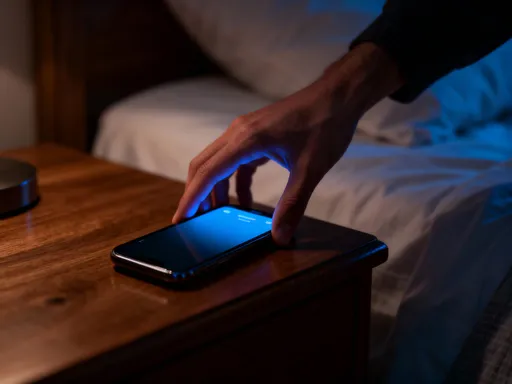
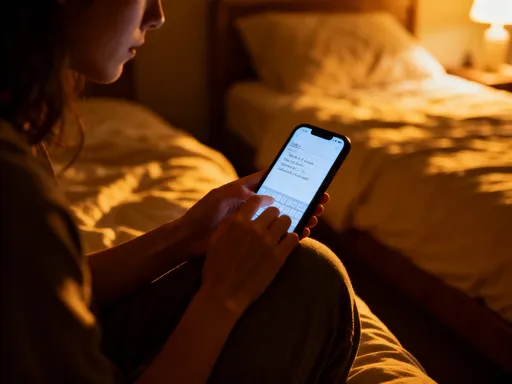
We’ve all been there—tucking the kids in, finishing up dinner cleanup, finally sinking into bed with the sweet promise of rest, only to pick up the phone “just for a minute.” That minute turns into twenty. Then forty. Before you know it, you’re deep in the camera roll, zooming in on last weekend’s family picnic, adjusting the brightness of a photo that no one but you will ever look at twice. Or you’re rewatching a video of your dog chasing leaves, smiling, but also wide awake. The irony? The very things meant to capture joy—photos, messages, memories—are keeping us from the rest we need to enjoy them fully the next day.
What’s really happening isn’t laziness or lack of willpower. It’s design. Apps are built to keep us engaged. Endless scrolling, instant feedback, the tiny dopamine hit when you make a photo look just right—it all adds up. And for women in our 30s, 40s, and beyond, who often carry the mental load of family, work, and home, this late-night screen time becomes a strange kind of self-care. It’s our only quiet time, the only moment we feel like we can breathe. But instead of recharging, we’re overloading our brains with visual noise. We’re not unwinding—we’re reheating the day.
And it’s not just about losing sleep. That late-night editing habit? It trains your brain to stay in “doing” mode instead of shifting into “being” mode. You’re still problem-solving, still perfecting, still managing—even when your body is supposed to be shutting down. I used to think, If I just finish this one edit, I’ll sleep better. But the truth was, I never finished. There was always one more photo, one more filter, one more tweak. The cycle wasn’t about the photos at all. It was about not knowing how to stop.
How Sleep Apps Quiet the Noise
Here’s the good news: the same smart technology that keeps us scrolling can also help us pause. I started looking for apps that didn’t just block access or shame me for screen time, but actually understood my habits. That’s when I found a new generation of sleep apps—ones that don’t just play ocean sounds or white noise, but actively help me transition from doing to resting. These apps don’t fight technology. They work with it.
One of the first things I noticed was how some of these apps learn your patterns. After a few nights, mine started recognizing that around 10:15 PM, I usually opened my photo editor. Instead of letting me dive in, it gently popped up with a message: “You’ve been creative today. Ready to recharge?” No alarm, no harsh tone. Just a soft reminder, like a friend placing a hand on your shoulder. That small nudge was enough to make me pause and ask, Do I really need to edit this photo right now? Most of the time, the answer was no.
What surprised me even more was how some apps now sync with your device usage. If you’ve been editing photos for more than 15 minutes past your usual bedtime, the app might suggest a short breathing exercise or start fading your screen to grayscale. It’s not about punishment—it’s about support. Think of it like a digital bedtime routine for adults. Just like we read a story to help kids wind down, these apps help us create a buffer between the busyness of the day and the stillness of sleep.
And the best part? They’re not rigid. If I had a special reason to stay up—maybe planning a birthday surprise or finishing a school project with my daughter—the app adjusted. It didn’t scold me. It simply resumed its gentle guidance the next night. That flexibility made all the difference. I didn’t feel controlled. I felt cared for.
From Photos to Peace: A Shift in Mindset
As I used the app more, I began to see a pattern: my late-night photo editing wasn’t really about the photos. It was about control. A way to hold onto the day, to make sure everything was “just right” before I let go. But here’s the thing—perfection isn’t peace. And no amount of filters can fix exhaustion.
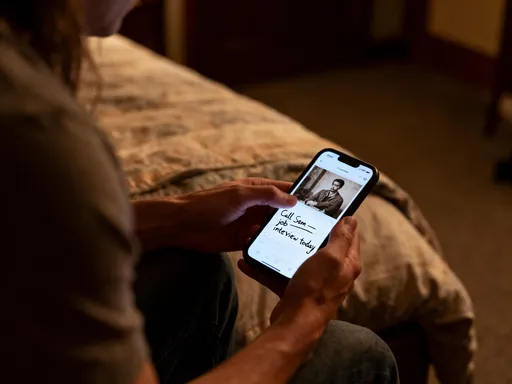
The app started helping me shift my mindset by introducing a simple nightly ritual: a “digital wind-down” that included reviewing, organizing, and letting go. Instead of endlessly tweaking images, I’d spend five minutes going through the day’s photos with the app’s guidance. It would suggest which ones to keep, which to archive, and even which might be safe to delete. At first, that felt scary. What if I lose a memory? But the app reminded me: You don’t need to keep every photo to remember the moment.
And honestly? It was freeing. I realized I wasn’t losing memories—I was clearing mental clutter. That photo of the messy kitchen after baking with my daughter? I don’t need ten versions of it. One is enough. The joy was in the moment, not in how well-lit the counter was. Letting go of the rest didn’t diminish the memory. It actually made it more vivid, because now I could recall it without the noise of digital overload.
This shift wasn’t just about storage space. It was about emotional space. When I stopped treating my phone like a museum of unfinished business, my mind started to relax. I wasn’t carrying the weight of “I should organize this” or “I need to fix that photo” into my sleep. The app helped me close the loop on the day, so I could actually rest.
Knowledge Management Meets Nightly Routine
We often think of knowledge management as something for work—organizing files, managing emails, tracking projects. But what if we applied that same care to our personal lives? Our photos, notes, and even voice memos are part of our personal knowledge. And when they’re scattered and unsorted, they create mental drag.
The sleep app I use now includes a feature that pulls together a quick end-of-day summary. It shows me how much time I spent on different apps, highlights a few key photos from the day, and even asks me one gentle question: What’s one thing you’re grateful for today? Answering that question—just one sentence—became a powerful ritual. It didn’t take long, but it helped me shift from what I didn’t finish to what mattered.
This small practice changed how I ended my days. Instead of lying in bed replaying the argument I had with my teenager or worrying about tomorrow’s to-do list, I’d think of that one good moment—the way my son laughed at breakfast, the quiet cup of tea I enjoyed while watching the sunrise. The app didn’t force positivity. It simply created space for it.
Over time, this nightly review helped me process the day instead of ruminating on it. I wasn’t just closing apps—I was closing chapters. And that made it so much easier to fall asleep. My mind wasn’t racing through unfinished thoughts because, thanks to the app, I had already given them a place to land.
Building a Softer Digital Transition
One of the biggest insights I’ve had is this: we don’t need harder rules. We need softer transitions. Telling yourself, No screens after 9 PM, sounds great in theory. But in real life, with last-minute emails, school updates, or a late call from a friend, it’s rarely that simple. What works better is a gradual shift—a digital sunset.
The app helped me create that. Starting an hour before bed, it automatically dims my screen and shifts the color tone to warmer hues. But more than that, it began transforming my recent photos into a simple slideshow—just ten images, no editing, no comments, no pressure. It felt like a digital scrapbook of the day, playing quietly in the background while I brushed my teeth or changed into pajamas.
This slideshow became my new bedtime story. It wasn’t about perfection. It was about presence. Seeing those images—my daughter’s school art, the grocery list on the fridge, the sunset from my morning walk—reminded me of the day’s rhythm. And when the slideshow ended, the app gently faded to black with a soft chime. That was my cue: the day is done. Rest now.
This ritual didn’t feel forced. It felt natural, almost sacred. It taught my brain that creativity has its time, and so does rest. And over time, I started craving that quiet moment. I looked forward to the slideshow, to the dimmed lights, to the soft voice that said, You’ve done enough.
Real Changes, One Night at a Time
I won’t pretend it was an overnight transformation. The first week, I still caught myself reaching for the phone. But each night, the app made it a little easier to pause. And slowly, something shifted—not just in my sleep, but in how I showed up in my life.
I started waking up with more energy. Not the jittery, coffee-fueled kind, but a steady, calm clarity. I was more patient with my family. I stopped obsessing over old photos, re-editing them at midnight like they held the secret to happiness. My daughter even said, Mom, you seem happier in the mornings. That hit me right in the heart.
The real change wasn’t just in the number of hours I slept—it was in the quality of my days. I had more mental space. I felt lighter. And I realized how much emotional weight I’d been carrying in those late-night editing sessions. It wasn’t about the photos. It was about not knowing how to stop, how to feel like I’d done enough.
The app didn’t fix me. It didn’t magically erase stress or solve all my problems. But it gave me a tool—a gentle, consistent companion that helped me rebuild a healthier relationship with technology. And in doing so, it helped me reconnect with myself.
Tech That Cares: Designing for True Well-being
What I’ve learned is that not all technology is created equal. Some apps are designed to grab our attention and never let go. But others? They’re designed to give it back. The best tech doesn’t shout. It whispers. It doesn’t demand. It supports. And when technology respects our need for rest, for peace, for presence, it stops being a distraction and starts being a partner.
The sleep app I use now feels less like software and more like a quiet friend who knows me—knows that I care deeply, that I want to do my best, and that sometimes, I just need a little help letting go. It doesn’t judge my late-night habits. It gently guides me toward better ones. It’s not about control. It’s about care.
And that’s the kind of technology we need more of—tools that honor our humanity. Because we’re not machines. We’re women who carry a lot—love, responsibility, dreams, fatigue. We don’t need more pressure. We need support. We need design that understands that rest is not laziness. It’s recovery. It’s strength. It’s how we show up fully for the people and moments that matter.
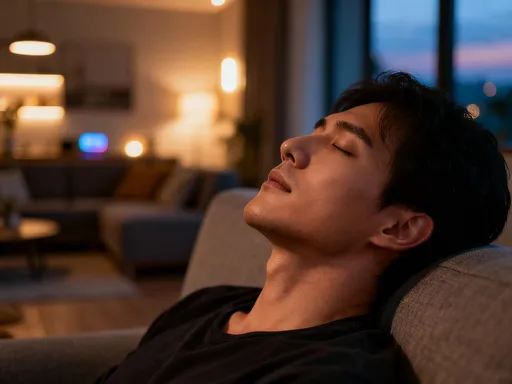
So if you’re lying in bed right now, scrolling through photos you’ve already edited three times, wondering why you can’t sleep—know this: it’s not your fault. The tools you’re using were never designed to help you rest. But there are others that are. And sometimes, the most powerful act of self-care is simply choosing one that helps you put the day to bed—and finally, peacefully, close your eyes.