From Frazzled to Focused: How Smart Lighting Quietly Transformed My Workdays
Ever hit that mid-afternoon slump where the glare from your overhead light feels like a personal attack? Or struggled to wind down after work, still buzzing from screen fatigue? I was there—until I stopped treating lighting as just “on” or “off” and started seeing it as a silent partner in my day. This isn’t about fancy gadgets; it’s about how something as simple as adjusting the light can ease your eyes, calm your mind, and make your workday feel lighter—literally. Let me show you how.
The Morning Struggle: How Harsh Light Used to Ruin My Start
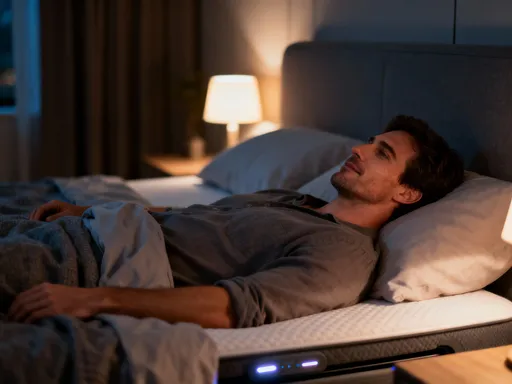
I used to wake up to a bright, jarring light—like being yanked into the day. My room felt cold, clinical, and the glare made me groggy instead of alert. I’d reach for coffee before even getting out of bed, already behind. It wasn’t just the caffeine I needed; it was a gentler invitation to wakefulness. Then I tried a smart lighting routine that mimics sunrise: soft amber light slowly brightening over 30 minutes. It didn’t just wake me up—it welcomed me into the day. The change wasn’t dramatic, but it was deep. I felt more present, less rushed. Now, I open my eyes to warmth, not shock. This small shift didn’t just improve my mood; it reshaped my entire morning rhythm.
You know that feeling when you wake up and your brain is still half-asleep, but your body is already in fight-or-flight mode? That’s what my old lighting setup did to me. The harsh overhead light flipped on at the same time every morning, like an alarm for my eyes. No transition, no soft landing—just full brightness at full volume. It made me feel like I was failing before I even started. But with smart lighting, I’ve learned that how you wake up matters just as much as when. Now, my bedroom light begins as a faint glow, like the first hint of dawn. Over 20 to 30 minutes, it gradually increases in brightness and shifts from warm reds to soft golds. It’s not forcing me awake—it’s inviting me. And the difference? I get out of bed more easily, my thoughts feel clearer, and I don’t feel like I’m playing catch-up before breakfast.
What I didn’t realize at first was that this wasn’t just about comfort. It’s rooted in science. Our bodies are wired to respond to natural light patterns. When light enters our eyes, especially in the morning, it signals our brain to suppress melatonin—the sleep hormone—and start producing cortisol, the alertness hormone. But it works best when the transition is gradual, not abrupt. That’s exactly what smart bulbs can do. They don’t just turn on—they ease you into the day. And for someone like me, who used to dread mornings, that gentle nudge makes all the difference. It’s like having a personal sunrise, tailored to my pace, every single day.
Work-from-Home Woes: When Lighting Made Focus Impossible
Working from my living room used to mean constant distractions—glare on my laptop, shadows across my notebook, and a ceiling light that felt like interrogation lighting. I’d get headaches by 10 a.m. and lose focus by noon. I blamed myself at first. Maybe I wasn’t disciplined enough. Maybe I needed a better planner or a stricter schedule. But the real problem wasn’t my willpower—it was my environment. After setting up tunable white lights that adjust color temperature, everything changed. Cooler, daylight-like tones in the morning kept me sharp. As the day wore on, the lights subtly warmed, reducing eye strain. It’s like having a workspace that breathes with me, not fights against me.
Think about it: when you walk outside on a crisp morning, the light feels clear, energizing. That’s because natural daylight has a cooler color temperature—around 5000 to 6500 Kelvin. It’s designed to wake us up and keep us alert. But most indoor lighting, especially older bulbs, stays warm and yellowish, around 2700 to 3000 Kelvin. That’s cozy for evenings, but not ideal when you’re trying to focus on a spreadsheet at 9 a.m. I didn’t know this was affecting me until I switched to smart bulbs that let me control the color temperature. Now, my desk lamp starts the day at a crisp 5000K, mimicking that morning sunlight. It doesn’t feel harsh—it feels right. My screen is easier to read, my handwriting is neater, and I don’t have that low-grade headache brewing behind my eyes.
And as the afternoon rolls in, I don’t have to manually switch anything. My lights are programmed to gradually shift toward warmer tones—around 3500K by midday, and even warmer by late afternoon. This mirrors the natural arc of daylight, which cools in the morning and warms as the sun sets. That subtle shift does something powerful: it helps my brain transition from “work mode” to “wind-down mode” without a jolt. I’m not suddenly exhausted or overstimulated. I’m in rhythm. Plus, because the lighting reduces glare and balances shadows, I don’t have to squint or adjust my posture constantly. My body feels less tense, and my mind stays clearer. It’s not magic—it’s just smart design working quietly in the background.
The Afternoon Slump: How Light Became My Natural Energy Boost
That 3 p.m. crash used to be inevitable. I’d reach for sugar or another coffee, only to pay for it later with insomnia. But instead of fighting fatigue with stimulants, I started fighting it with light. By programming my smart bulbs to emit a gentle boost of cool, energizing light during the slump, I found a cleaner way to recharge. It’s not a magic fix—but it’s a nudge, a quiet signal to my brain: You’ve got this. No jitters, no crash. Just clarity, for another hour or two.
I used to think the afternoon slump was just part of life. Everyone feels tired after lunch, right? But I started paying attention. Was it the food? Maybe. But I noticed it happened even on days when I ate light. Was it boredom? Possibly. But I was doing the same work I’d done earlier, and it suddenly felt harder. Then I read about how light affects alertness, especially during those post-lunch hours when our circadian rhythm dips naturally. Our bodies are designed to feel a little sleepy in the early afternoon—it’s a remnant of our ancestors’ siesta time. But in modern life, we can’t always nap. So what if we could gently reset our alertness without caffeine?
That’s when I programmed a “recharge” scene in my smart lighting app. From 2:45 to 4:30 p.m., my workspace lights shift to a cooler, brighter tone—around 5500K—and increase in intensity by about 20%. It’s not blinding, but it’s noticeable. It’s like stepping outside for a breath of fresh air, but without leaving my chair. I don’t feel jittery or over-caffeinated. I just feel… awake. Present. Like I can finish what I started. And because it’s temporary, my body doesn’t get confused. The light shifts back to warmer tones by late afternoon, so I’m not wired when bedtime comes.
What I love most is that this became a ritual. Instead of reaching for a candy bar or scrolling mindlessly, I look forward to that little light boost. It’s become a signal to my brain: “We’re not done yet, but we’ve got support.” And over time, I’ve noticed I don’t crave that second cup of coffee anymore. My sleep has improved because I’m not consuming caffeine late in the day. And I feel more in control of my energy, not at its mercy. It’s a small change, but it’s given me back a chunk of my afternoon—and that’s huge when you’re juggling work, family, and self-care.
Seamless Transitions: Lighting That Moves with Your Day
One of the best things about smart lighting? It runs quietly in the background. I set schedules based on sunrise, work hours, and dinner time. When I start work, the lights brighten to a focused tone. When I wrap up, they soften, signaling it’s time to shift gears. No manual switches, no thinking about it—just flow. It’s like having a day that unfolds smoothly, without abrupt stops and starts.
Before I had smart lighting, my day felt like a series of on-and-off moments. Flip the light on in the morning. Turn it up when I started working. Remember to dim it before dinner. Forget, then remember again. It wasn’t a big deal, but it was another thing on my mental checklist. And over time, those little tasks add up. Now, I don’t have to think about it. My lights adjust automatically. When I sit down at my desk, the room is already set for focus. When I close my laptop, the lights begin to soften, like a gentle exhale. It’s not just convenient—it’s calming. It removes friction from my routine.
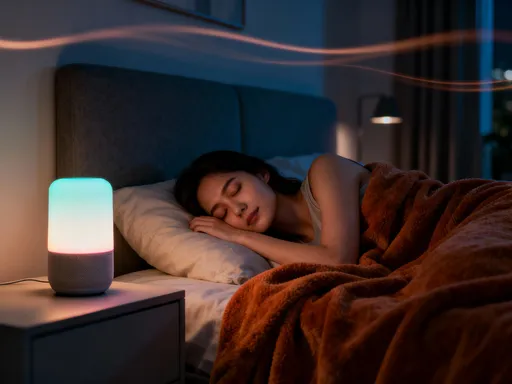
I’ve set up different scenes for different parts of the day. “Morning Focus” kicks in at 7:30 a.m., with bright, cool light at my desk and soft ambient lighting in the rest of the room. “Afternoon Recharge” gives me that energy boost we talked about. “Evening Wind-Down” starts at 6 p.m., with warm, dim lighting that helps me transition out of work mode. And “Bedtime” begins an hour before I plan to sleep, with lights fading gradually over 30 minutes. I don’t have to remember to turn them off—I just let them guide me.
What’s amazing is how this affects my family, too. My daughter notices when the lights dim. “Oh, it’s nighttime mode,” she says, and starts putting her toys away. My husband knows when the living room lights shift to “dinner,” it’s time to unplug from his phone. These subtle cues create rhythm without words. They help us sync up, not just with the clock, but with each other. And that’s something I didn’t expect—how lighting could bring a sense of order and peace to our shared time.
Family Harmony: Shared Spaces, Smarter Light
In a shared home, lighting used to be a negotiation. Too bright for my partner, too dim for me. Smart lighting solved that with zones and personalized scenes. The living room can be warm and cozy for her, while my desk gets crisp, clear light. We even have a “dinner mode” that dims the overheads and brings up soft accent lighting—making meals feel intentional, not rushed. It’s small, but it adds up to more peace, less friction.
We all have different preferences, right? My husband likes it darker in the evenings. I need more light to read or finish work. Before smart lighting, one of us always had to compromise. I’d sit under a bright lamp while he squinted, or I’d strain to see in dim light so he could relax. It seemed like a small thing, but it created little tensions—tiny frustrations that piled up. Now, we use lighting zones. The room is divided into areas, each with its own settings. When I’m working late, my corner of the living room stays bright and cool. The rest of the room can be warm and dim. We’re in the same space, but we’re each getting what we need.
And dinner—oh, dinner used to be such a rush. We’d eat in front of the TV, under harsh overhead lights, with everyone half-distracted. Now, we have a “dinner mode” that turns on automatically at 6:30 p.m. The main lights dim, and soft under-cabinet lighting in the kitchen comes up. There’s a warm glow on the table, candles aren’t even needed. It feels intentional. We talk more. We eat slower. We’re present. It’s not just about lighting—it’s about creating a mood, a moment. And the best part? It happens without anyone having to ask. The house knows when it’s time.
Even bedtime is easier. We have a “family wind-down” scene that dims all shared lights and turns off any that aren’t needed. The hallway lights come on at low brightness, so no one trips in the dark. It’s like the house is helping us care for each other. And for me, that’s what smart technology should be—something that supports connection, not replaces it. It’s not about flashy gadgets. It’s about making life together a little smoother, a little kinder.
Doing It Yourself: Simple Setup, Real Results
You don’t need a tech degree. I started with one bulb in my workspace—just screwed it in, connected it to my phone, and set a basic schedule. Within a week, I added more. Most systems work with voice assistants or apps you already use. The key? Start small. Match your light to your natural rhythm: cool in the morning, warm at night. Let it fade gently at bedtime. It’s not about control—it’s about harmony.
I’ll be honest—I was nervous at first. I thought smart lighting was for techies or people with huge budgets. But I tried a single smart bulb from a well-known brand that works with my phone. I downloaded the app, followed the setup steps (which took less than 10 minutes), and screwed it into my desk lamp. Then I created a simple schedule: bright and cool from 7 to 12, warmer from 12 to 6, and dim and warm after that. That’s it. No wiring, no electrician, no fuss.
Within days, I noticed a difference. I felt more alert in the morning. My eyes didn’t hurt by afternoon. I was sleeping better. So I added another bulb in the living room. Then one in the bedroom. Now, I control everything from my phone or with simple voice commands like “Hey Google, set dinner mode.” It’s not complicated. Most systems are designed for everyday people—like you and me. And the best part? You don’t have to do it all at once. Start with one room. Try a sunrise alarm. See how it feels. You might be surprised by how much such a small change can do.
And if you’re worried about cost, think of it as an investment in your well-being. A single bulb might cost around what you’d spend on a few coffees a week. But instead of a short-lived energy boost, you get lasting support for your focus, mood, and sleep. Plus, smart bulbs use less energy, so you’ll save on your electricity bill over time. It’s a win-win. The point isn’t to have a fully automated house—it’s to make your days feel easier, one light at a time.
More Than Convenience: Lighting That Supports Well-Being
This isn’t just about saving energy or looking modern. It’s about designing a day that feels better. When your environment supports your body’s natural rhythms, you’re less drained, more focused, and more present. Smart lighting became my quiet ally—not flashy, but faithful. It didn’t change my job. It changed how I live through it. And that makes all the difference.
I used to think of lighting as just a utility—something that keeps the room from being dark. But now I see it as part of my daily care, like good nutrition or a morning stretch. It’s a tool that helps me show up as my best self. On days when I’m overwhelmed, the gentle glow of my evening lights reminds me to slow down. On busy mornings, the sunrise simulation gives me a calm start. It’s not a cure-all, but it’s a consistent support. And in a world that often feels chaotic, that consistency is everything.
What I’ve learned is that small changes can have big ripple effects. Better lighting improved my focus, which made me more efficient at work. That gave me more time with my family. Better sleep meant more energy the next day. It all connects. And the most beautiful part? I didn’t have to overhaul my life. I just adjusted the light. It’s a reminder that well-being isn’t always about big gestures. Sometimes, it’s about the quiet things—the soft glow in the morning, the warm light at dinner, the gentle fade to darkness at bedtime. These moments don’t shout. They whisper. But they matter.
So if you’re feeling frazzled, if your days blur together, if you’re searching for a little more ease—consider the light. It might not seem like much. But sometimes, the smallest shift is the one that changes everything.