I kept missing my friends’ birthdays: How a simple note app finally helped me stay connected
We’ve all been there—scrolling through old photos, realizing we haven’t talked to a close friend in months. You didn’t mean to drift apart. Life just got busy. I felt the same, until I started using a note-taking app in a way no one talks about: not for tasks or ideas, but to nurture real relationships. It quietly changed how I stay in touch, remember the little things, and show up for people who matter—without the stress or guilt. That moment when you see a birthday pop up on social media and realize you missed it? That used to happen to me all the time. And each time, it stung—not because I didn’t care, but because I cared deeply and still let life get in the way. What if I told you that the same device I used to check grocery lists could also help me keep my most important connections alive? That’s exactly what happened. And it started with something as simple as a note.
The Guilt of Drifting Apart
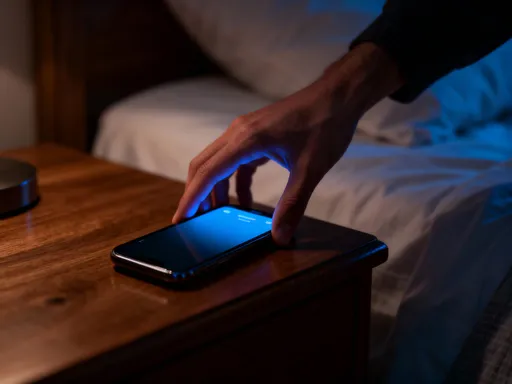
Let’s be honest: none of us set out to lose touch with the people we love. I didn’t wake up one day and decide to stop calling my best friend from college. No dramatic falling out, no unresolved argument—just silence that grew longer and heavier with each passing month. Then one morning, I saw her smiling face in a birthday post and my stomach dropped. I missed it. Again. I typed a quick message—'Happy belated birthday! So sorry I missed it!'—but the words felt hollow, like trying to light a candle after the party’s already over.
That kind of guilt is familiar to so many of us. We love our friends, we care about our family, but our days are packed. Between school pickups, work deadlines, laundry that never ends, and the endless stream of notifications, the people who matter most often get pushed to the margins. We tell ourselves we’ll call tomorrow, we’ll plan that lunch soon, we’ll just wait for a quiet moment that never comes. And slowly, without meaning to, we drift.
It’s not that we’ve stopped caring. It’s that we’re overwhelmed. Our attention is pulled in ten directions at once, and emotional labor—remembering birthdays, checking in after a tough week, celebrating small wins—feels like another item on a never-ending to-do list. But here’s the truth: connection isn’t a task. It’s a rhythm. And when we lose that rhythm, we don’t just miss birthdays—we miss the quiet moments of support, the laughter over nothing, the sense of being truly known. That’s the real cost of drifting apart. And I was tired of paying it.
Notes Aren’t Just for To-Do Lists Anymore
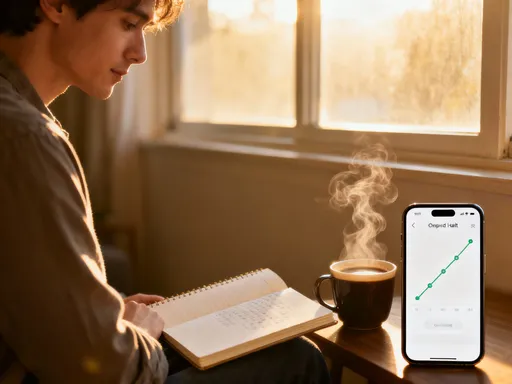
One rainy afternoon, while cleaning up my phone, I opened my note app. Rows of grocery lists, half-written emails, and random ideas stared back at me. And then I had a thought: what if this little app could do more than help me remember milk and eggs? What if it could help me remember *people*? Not just their birthdays, but their lives—the things that matter to them, the moments they’re proud of, the challenges they’re facing.
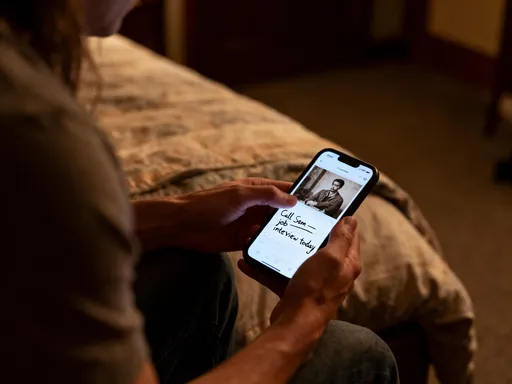
That’s when it hit me: we use technology to organize everything—our schedules, our finances, our fitness goals—so why not our relationships? We track steps, sleep, and screen time, but we don’t track the emotional pulse of our closest connections. And yet, those relationships are the foundation of our well-being. So I decided to try something different. Instead of using my notes for productivity, I’d use them for presence. Instead of jotting down tasks, I’d capture moments. A child’s first words. A friend’s job interview. A sister’s favorite recipe. These weren’t just details—they were threads of love, waiting to be pulled.
It sounds simple, but it was transformative. Because here’s the thing: memory is fragile, but notes are not. Our brains are incredible, but they’re also overloaded. We can’t be expected to remember every little thing about everyone we care about. And we shouldn’t have to. Technology, when used with heart, can step in where memory falters. It’s not about replacing genuine connection—it’s about supporting it. A note isn’t cold data. It’s a warm reminder of someone’s story. And when we honor those stories, we honor the people themselves.
How One App Became My Relationship Sidekick
I started small. I created a new note for my closest friend, Sarah. At first, it was just her birthday and her kids’ names. But then I added more: her husband’s promotion, her youngest’s peanut allergy, the name of the book she’d been trying to finish. Over time, that note grew. I added a line about how she always drinks peppermint tea when she’s stressed. I noted that her mom had hip surgery in March. I even jotted down that she once told me she hated surprise parties.
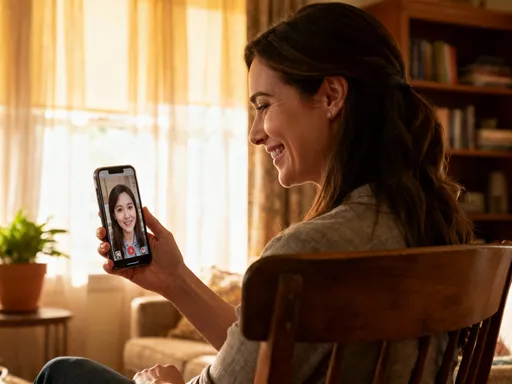
Then, before her birthday, my phone reminded me—because I’d linked the note to my calendar. This time, I didn’t send a belated text. I called. I mentioned her son’s soccer game the week before. I asked how her mom was recovering. And when I wished her a happy birthday, it didn’t feel generic. It felt personal. She paused and said, 'You have no idea how much it means that you remembered all that.' In that moment, I realized something: I wasn’t just remembering facts. I was showing up.
I did the same for others. My cousin who lost her job. My neighbor who adopted a rescue dog. My sister who started therapy. Each person got their own note—like a digital scrapbook of their life. I didn’t write essays. Just a few lines here and there: 'Linda’s daughter got accepted to dance camp,' 'Mark is training for a 5K,' 'Claire’s garden roses bloomed early this year.' These weren’t just reminders—they were invitations to care. And because they were in one place, I could review them in five minutes while waiting for the coffee to brew.
The beauty of this system is that it grows with you. A note that starts with a birthday can become a living record of someone’s journey. And when you return to it, you’re not just seeing dates—you’re seeing a person. You’re seeing their struggles, their joys, their growth. And that changes how you interact. You don’t just say, 'How are you?' You say, 'How did the doctor’s appointment go?' That’s the difference between checking a box and building a bond.
Small Gestures, Big Impact
Here’s what surprised me most: the smallest messages often had the biggest impact. A text saying, 'Saw this flower and thought of your garden' meant more to my neighbor than a holiday card. A voice note saying, 'I know last week was rough—proud of you for getting through it' made my cousin cry (in a good way). These weren’t grand gestures. They didn’t require time off work or elaborate planning. They just required attention. And that attention, powered by a simple note, became a quiet superpower.
Think about it: when someone remembers something specific about your life, it feels like being seen. It says, 'You matter to me. I notice you. I care.' That’s powerful. And it builds trust over time. When people know you’re paying attention, they’re more likely to open up, to share their real feelings, to lean on you when they need support. That’s how deep connection grows—not in big moments, but in a series of small, consistent ones.
I remember one time, I sent a friend a meme about terrible parking jobs—something silly, but I knew she’d laugh because she’d complained about it the week before. She replied, 'This made my whole day. How do you remember everything?' I didn’t tell her it was because of a note. I just said, 'Because you’re important to me.' And that was true. The app helped me remember, but the care was mine. Technology didn’t create the connection—it made it easier to express.
And here’s the thing: people don’t expect perfection. They don’t need you to call every week or send gifts for every occasion. They just want to feel remembered. They want to know they’re in your thoughts. And when you show up in those quiet, thoughtful ways, you build something lasting. You become someone others can count on—not because you’re perfect, but because you’re present.
Building a Habit That Feels Natural
Now, I’ll be honest—this didn’t happen overnight. At first, it felt a little robotic. 'Should I really be taking notes on my friends?' I wondered. But I quickly realized it wasn’t about recording data. It was about creating space for care in a busy life. The key was making it sustainable. I didn’t try to do it all at once. I started with five people. I set a weekly reminder every Sunday evening—'Connection Check-In'—to review my notes, send a few messages, and add any new details.
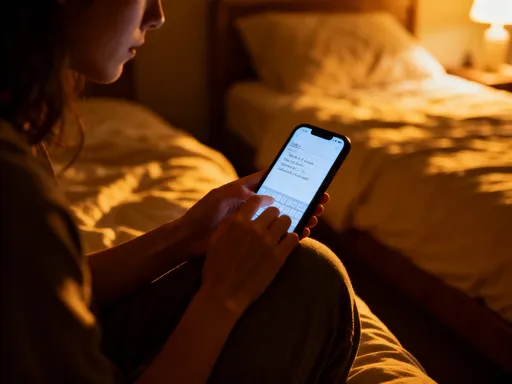
Sometimes, I’d hear something in passing—a sister mentioning a doctor’s appointment, a friend talking about a work deadline—and I’d pull out my phone and jot it down right then. Not in a weird way, just quietly, like I was saving a recipe I wanted to try. Over time, it became second nature. I didn’t see it as another chore. I saw it as a small act of love.
I also linked my notes to calendar alerts. For birthdays, anniversaries, or important dates, I set reminders two days in advance—giving myself time to plan a call or send a card. For softer things—like checking in after a tough week—I used recurring monthly reminders. 'Ask Jen how therapy’s going.' 'Check if Mark finished his race training.' These weren’t demands. They were gentle nudges to stay close.
The entries themselves stayed short and human. I didn’t write formal summaries. I wrote like I was talking to myself: 'Emma’s cat is 17—she’s worried about him.' 'Dad loves the new oat milk—buy more when I visit.' 'Maria got passed over for promotion—send something uplifting.' The tone stayed warm, personal, real. And because it felt like *my* voice, it never felt like I was following a system. I was just being a friend.
Beyond the Individual: Strengthening Family and Community
Once I saw how this worked for one-on-one relationships, I wondered—could it help with groups, too? So I tried it with my family. We created a shared note (in a private, secure app) where we tracked milestones: Grandma’s 90th birthday, the kids’ school plays, when Uncle Joe retired. Anyone could add to it. My sister dropped in a photo of her daughter’s first tooth. My brother added the date of his anniversary dinner. It became our family’s living timeline—a place where memories were collected, not lost.
We also used it to coordinate. When my mom had surgery, we had a note with her care schedule, medication list, and visiting hours. No more group chat chaos. No more missed messages. Everyone knew what was happening. And after she recovered, we kept the note as a record of how we showed up for her. It wasn’t just practical—it was meaningful. It showed us what we could do together.
Then I introduced the idea to my parent group at school. We started a shared note for birthdays, allergies, and carpool changes. But it grew into something more. One mom added, 'Feeling overwhelmed—could use a coffee chat.' Another wrote, 'Just got a job offer—so excited but scared!' It became a safe space to be real. We weren’t just sharing logistics—we were sharing lives.
And that’s the magic of this simple tool: it scales. Whether it’s one friend, a family, or a community, a note can hold what matters. It can preserve stories, reduce miscommunication, and deepen bonds. It doesn’t replace conversation—but it makes conversation richer. Because when you walk into a chat knowing the context, you can go deeper, faster. You’re not catching up. You’re connecting.
Technology That Serves Your Heart
Here’s what I’ve learned: the best technology isn’t the flashiest. It’s the one that helps us be more human. A note app doesn’t have AI, augmented reality, or voice assistants that crack jokes. It’s simple. Humble. Quiet. But when used with intention, it becomes something beautiful: a tool for care, a keeper of memories, a bridge between busy lives.
We often think of tech as something that distracts us, pulls us away from what matters. But it doesn’t have to be that way. When we use it mindfully, it can bring us closer. It can help us remember what we care about—and act on it. It can turn intention into action, love into presence.
I’m not perfect. I still forget things. I still have weeks where I don’t check in as much as I’d like. But now, I have a system that helps me return to what matters. I’m not relying on memory alone. I’m supported by a tool that holds the details so I can focus on the connection.
And the best part? It’s not about being efficient. It’s about being kind. It’s about saying, through small, consistent actions: 'I see you. I remember you. You’re not alone.' In a world that often feels disconnected, that’s everything. So if you’ve ever felt that pang of guilt, that ache of missing someone—try this. Open your note app. Start with one person. Write one thing you remember. And let that small act be the beginning of something deeper. Because love isn’t measured in grand gestures. It’s measured in the moments we choose to pay attention. And sometimes, all it takes is a note.