More than mood lighting: Smart scenes that quietly fixed my daily chaos
Life moves fast, and even small hassles—walking into a dark room, forgetting to turn lights off, waking up groggy—can drain energy. I used to overlook lighting as just "on or off," but smart lighting scenes changed that. They didn’t just brighten my home; they eased routines, softened transitions, and brought calm. This isn’t about flashy tech—it’s how subtle light shifts improved my focus, sleep, and peace. Let me show you how something so simple made life feel lighter.
The Moment I Realized My Lights Were Working Against Me
It was one of those nights where everything felt heavier than it should. I’d been rushing since 6 a.m.—school drop-offs, back-to-back Zoom meetings, grocery shopping with a list longer than my arm. By 8 p.m., I was exhausted. As I stepped into the hallway, I tripped over a shoe, stubbed my toe, and fumbled for the switch. The sudden blast of bright white light hit me like a slap. I stood there, heart racing, wincing from the pain and the glare. In that moment, it hit me: my home wasn’t helping me unwind. It was adding to the chaos.
I realized then that lighting had always been an afterthought in my house. A switch flipped on when it was dark, off when we left. But that night, I saw how thoughtless lighting could actually make life harder. Why did I have to walk into darkness? Why did waking up or winding down feel like a battle with harsh overheads? I started asking myself—could light do more than just help me see? Could it guide me through my day? Help me feel calmer, more centered, more in control? That question led me to smart lighting scenes, not because I wanted a high-tech home, but because I wanted a home that truly supported me.
First Try, Many Mistakes: My Bumpy Start with Automation
Like so many of us, I dove in with too much enthusiasm and not enough planning. I downloaded the app, connected all the bulbs, and started setting scenes with names like “Epic Movie Night” and “Dance Party Mode.” Cute, yes—but not exactly useful. My first real attempt at routine-based lighting was a disaster. I set a bright white light to turn on at 2 a.m. thinking it was 2 p.m. My dog barked. My husband sat up, disoriented. I felt like I’d woken the whole neighborhood.
Then there was the time I forgot to disable the “Good Morning” scene before our friends stayed over. At 6:30 a.m., the bedroom lights began to brighten like a tropical sunrise. Our guest walked into the kitchen, squinting, muttering, “Is someone baking at dawn?” I wanted to disappear. These moments taught me something important: smart lighting isn’t about setting up every possible scene. It’s about creating ones that fit *your* life—not the version of life you see on Instagram, but the real, messy, beautiful one you’re actually living.
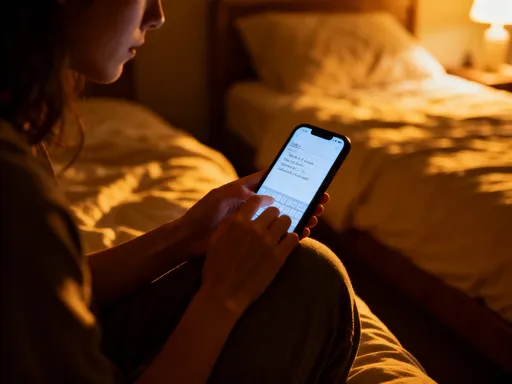
I paused. Took a breath. And started over. This time, I focused on one room, one need. The kitchen, for early mornings. I wanted soft light that didn’t blind me while I made coffee. So I created a simple “Morning Brew” scene—warm, dim, just enough to see the coffee maker without waking my brain like an alarm. It worked. And that small win gave me the confidence to build more.
Waking Up Like I Actually Slept: The Morning Light That Changed Everything
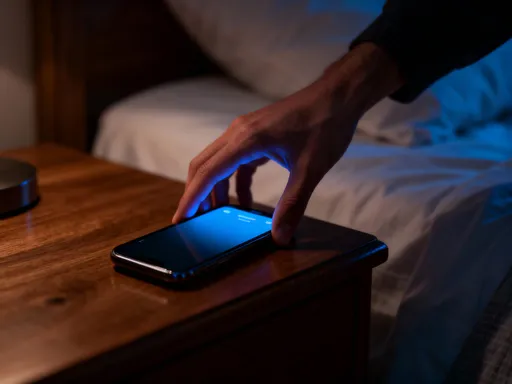
For years, my mornings started the same way: the shrill beep of my phone alarm, me slapping it silent, rolling over, hitting snooze—twice, sometimes three times. By the time I finally got up, I already felt behind. My mood was off. My focus was gone. And if the kids asked too many questions before breakfast, I’d snap. Not proud of that, but it was real.
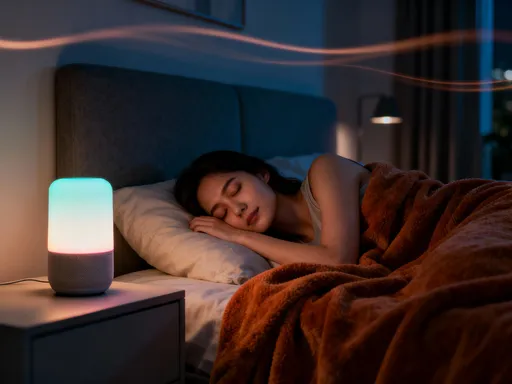
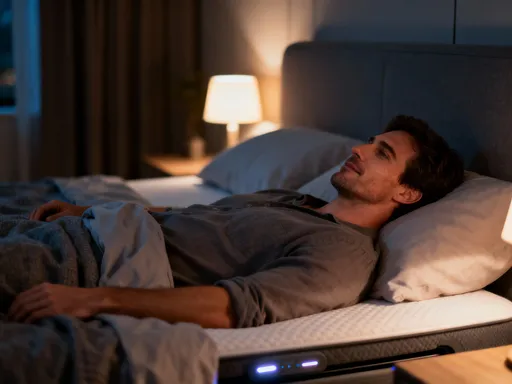
Then I tried the sunrise simulation scene. I set it to begin 30 minutes before my alarm, starting with a soft amber glow that slowly brightens to a gentle daylight tone. No sound. No jolt. Just light, creeping in like the sun rising behind closed curtains. The first morning I woke to it, I opened my eyes *before* the alarm. Not because I was anxious, but because my body knew it was time. I felt rested. Calm. Present.
This small change did more than improve my mornings—it changed my whole day. I moved slower, spoke more gently, and actually enjoyed that quiet time with my coffee. My kids noticed. “You’re not grumpy today,” my daughter said one morning. Ouch—but also, progress. Science backs this up: our bodies respond to light as a signal for wakefulness. By mimicking natural sunrise, we ease out of sleep instead of being ripped from it. And that makes all the difference when you’re trying to be the kind of mom who doesn’t lose it over spilled cereal.
Calm Evenings Without the Mental Load
Evenings used to be my most frazzled time. Dinner cleanup, homework battles, laundry mountains. By 8 p.m., my brain was still running on overdrive. I’d flip on lights without thinking—overhead here, lamp there—but the lighting never felt right. Too bright in the kitchen, too dim in the living room. I’d walk from room to room adjusting switches, adding one more task to my never-ending list.
Then I created a “Wind Down” scene that activates at sunset. With a single command—either through the app or a voice assistant—every light in the main living areas shifts to a warm, low-intensity tone. The overheads dim to 20%, the floor lamp glows like candlelight, and the hallway nightlight turns on softly. I don’t have to think about it. I don’t have to get up. I can stay on the couch, wrapped in a blanket, and just *be*.
What surprised me most was how it affected my family. My kids, who used to bounce off the walls until bedtime, started settling earlier. The warm light feels like a signal: the day is ending. Playtime is over. It’s time to slow down. My husband noticed it too. “The house feels cozier,” he said. “Like we’re actually together, not just in the same space.” That’s the magic of it—lighting isn’t just functional. It shapes the mood of your home. And when your home feels calm, you feel calmer too.
How Light Helped Me Parent with More Patience
Parenting is full of moments that test your limits. The 3 a.m. cry. The tantrum in the grocery store. The “I don’t wanna wear pants!” meltdown before school. And in those moments, the last thing you need is harsh, unforgiving light shining down like you’re on a stage.
I used to turn on the brightest light during night feedings because I thought I needed to be “awake.” But what I didn’t realize was that the blue-white light was actually making it harder for both of us to get back to sleep. My baby would get alert. I’d feel more tired the next day. Then I set up a “Night Mode” scene—just a soft, warm glow in the nursery and hallway. Enough to see by, but not enough to signal wakefulness to our brains.
The difference was immediate. My baby stayed calmer. I could feed or soothe without fully waking up, and drift back to sleep easier. It felt like a small win, but it added up over weeks and months. For older kids, I created a “Homework Focus” scene in the dining room. A brighter, neutral white light—calm but alerting—helps reduce distractions. No more “I can’t see my math sheet” or “the room feels weird.” Just quiet concentration. I didn’t solve homework battles overnight, but I removed one layer of friction. And sometimes, that’s enough.
Smart lighting didn’t make me a perfect parent. But it gave me a few more moments of peace when I needed them most. And in parenting, peace is everything.
Making It Work for Real Life: Simple Rules I Follow Now
After a year of tweaking, turning off, and reprogramming, I’ve landed on a few rules that keep smart lighting helpful—not overwhelming. First, I keep scenes simple. I don’t have ten different moods for the living room. I have three: “Morning Light,” “Evening Calm,” and “Movie Time.” Clear names. One purpose each. If I can’t explain it in a sentence, it’s too complicated.
Second, I use voice commands when my hands are full—which is, let’s be honest, most of the time. “Hey Google, turn on Wind Down” while I’m folding laundry. “Alexa, dim the kitchen to 30%” while stirring dinner. It’s not magic, but it’s close. Third, I let my family have input. My daughter has a “Reading Nook” scene in her room—soft pink-tinged light that she loves. My son uses a cooler tone for gaming. Giving them control helps them feel respected and reduces the “Mom, can you change the light?” requests.
Fourth, I schedule scenes but leave room for flexibility. If we’re having guests, I disable the bedtime dimming. If we’re up late, I override the “Off at 10” rule. The tech should serve us, not chain us to a rigid routine. And finally, I check in monthly. I ask my family: “Is the lighting helping? Annoying? Missing something?” Because the goal isn’t smart lights—it’s a smarter, kinder home.
Not Just Smarter Light—A Smarter, Kinder Life
I’ll be honest—I didn’t think a few colored bulbs could change much. I thought smart lighting was for people who loved gadgets or had show-off homes. But what I’ve learned is that the real power of technology isn’t in its complexity, but in its quiet ability to support the life you’re already living.
These small shifts—waking up gently, winding down without effort, parenting in soft light—have added up. I’m less reactive. More present. I snap less. I listen more. My home feels like a refuge, not a to-do list. And that, to me, is what good tech should do. It shouldn’t demand attention. It shouldn’t complicate things. It should simply make daily life a little easier, a little calmer, a little more joyful.
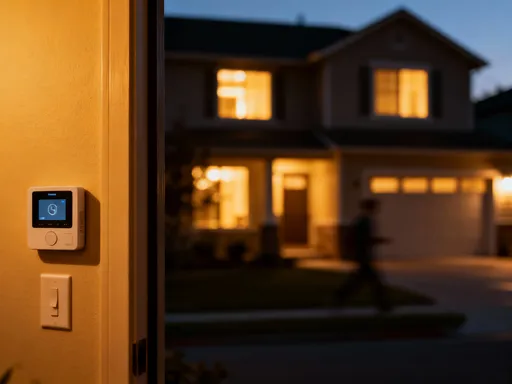
I still have chaotic days. Kids spill things. I burn dinner. The laundry never ends. But now, when I walk into a softly lit hallway, or wake up to a gentle glow instead of a blaring alarm, I feel a quiet sense of relief. My home is working with me, not against me. And in a world that never slows down, that small comfort makes all the difference. Smart lighting didn’t change my life in a day. But over time, it helped me create a life that feels more like *me*—calmer, more intentional, and full of small, beautiful moments of peace.