Tired of Forgetting Life’s Little Moments? This App Helped Me Capture Them Effortlessly
We’ve all had those days—rushing through work, juggling chores, and suddenly realizing we can’t remember what made us smile that morning. I used to lose track of small joys: my daughter’s laugh, a quiet coffee moment, or a sudden burst of inspiration. Then I found a simple tool that changed everything. Not another productivity tracker, but something deeper: an app that gently records the moments most of us let slip away. It didn’t just log time—it preserved meaning. And in doing so, it helped me remember how to live more fully, not just more efficiently.
The Day I Realized I Was Missing My Own Life
It hit me on a Tuesday. Not during some dramatic life event, but in the middle of folding laundry while my youngest watched cartoons and my phone buzzed with unread messages. I stopped, sock in hand, and realized I couldn’t remember the last time I’d truly felt present. Not distracted, not multitasking, not mentally planning dinner while pretending to listen. I couldn’t recall when I’d last looked at my child and really saw her—the way her nose scrunches when she laughs, or how she hums when she’s concentrating. And that scared me.
For years, I’d measured my days by what I’d accomplished. Did I finish the report? Did I make it to the gym? Was dinner on the table by six? My calendars were color-coded, my to-do lists endless, and my productivity apps overflowing with checkmarks. But none of them ever asked, How did you feel today? Or What made your heart light? They celebrated efficiency, not emotion. And slowly, without noticing, I had started living like a machine—efficient, yes, but emotionally absent.
The wake-up call wasn’t dramatic. No crisis, no diagnosis. Just a quiet, sinking feeling that I was missing my own life. I’d been so focused on doing that I’d forgotten how to be. I’d traded presence for productivity, and the cost was my connection to the very moments that make life worth living. That’s when I knew I needed something different—not another tool to help me do more, but one that would help me remember more.
Discovering an App That Does More Than Track Time
I wasn’t looking for a miracle. I just wanted a way to slow down, even if only in my mind. That’s how I stumbled upon the app—through a podcast interview with a woman who talked about “emotional time tracking.” I rolled my eyes at first. Another self-help gimmick, I thought. But something in her voice made me pause. She said, “We spend so much time measuring how we work, but never how we feel while we live.”
Curious, I downloaded it. The interface was simple—clean, uncluttered, nothing flashy. No badges, no streaks, no pressure. Instead, the first thing it asked was, “What made this hour meaningful?” Not what you did. Not how productive you were. But what made it meaningful. That single question stopped me in my tracks. I had to think. And when I finally answered—“Drank coffee while watching the sunrise”—I felt a tiny shift. Like I’d just remembered something important.
Unlike traditional time-tracking apps that log hours spent on emails or meetings, this one was designed to capture the emotional texture of your day. It didn’t care if I spent 47 minutes on a spreadsheet. It cared that during one of those minutes, my cat jumped onto my lap and purred. It didn’t track my commute, but it noticed that I felt calm listening to a certain song on the way home. Slowly, I began to see a pattern—not of tasks completed, but of moments that mattered. And for the first time in years, I felt like I was living with intention, not just inertia.
How It Works: Simple Prompts, Deep Impact
You might think, “Another app? Really?” I did too. But this one isn’t about adding more to your plate—it’s about pausing long enough to notice what’s already there. The magic is in the prompts. At random intervals—usually two or three times a day—the app gently pings with a question. Not demanding, not urgent. Just curious. Things like, “What are you feeling right now?” or “What just made you pause?” or “Who made you smile today?”
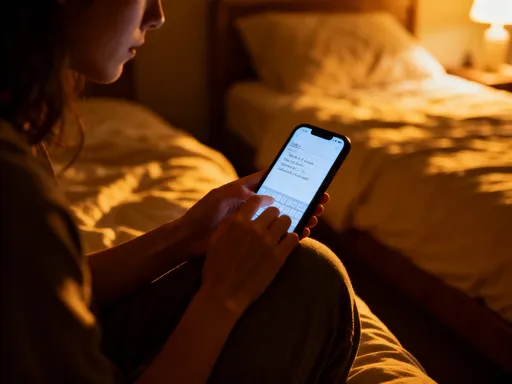
There’s no right answer. You can type a sentence, record a voice note, or even attach a photo. Sometimes I just say, “Peaceful,” and that’s enough. Other times, I find myself rambling into my phone: “My daughter just told a joke—bad pun, loud laugh—and for a second, everything felt okay.” Those voice notes? They’re gold. Hearing my own voice say, “I’m tired, but happy,” on a long evening reminds me that joy and exhaustion can coexist. And that’s okay.
The app doesn’t bombard you. It doesn’t guilt-trip you for missing a check-in. It’s more like a quiet friend who occasionally leans in and whispers, “Hey, what’s happening in your heart right now?” Over time, those little check-ins build a timeline—not of hours, but of emotions. I started seeing clusters of joy around certain times: late afternoons with my kids, early mornings with coffee, weekends at the park. And I noticed the opposite, too—long stretches of stress during work calls or after scrolling too long on social media.
What surprised me most was how the act of answering changed my awareness. Even if I didn’t open the app right away, I began catching myself in the moment: “This is nice. I should remember this.” That shift—from forgetting to noticing—was the real transformation.
Turning Data Into Personal Insight
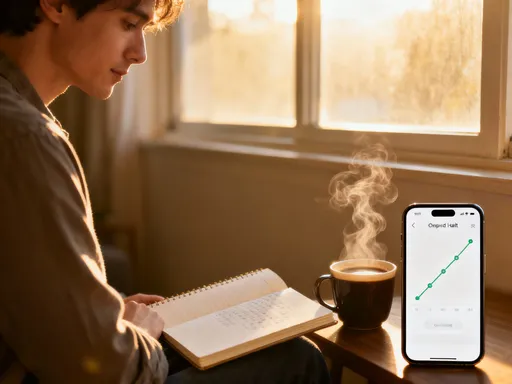
Every Sunday evening, the app sends a gentle summary: a recap of your week in emotions. At first, I skimmed it. But then I started reading it like a letter to myself. One week, it showed that my highest moments of joy weren’t during my “productive” hours, but in the gaps—when I sat on the porch with a book, or when my son hugged me out of nowhere. Another week, it highlighted how often I felt overwhelmed right after checking email in the morning.
These insights weren’t just interesting—they were actionable. I started protecting my mornings. No email before 9 a.m. I scheduled “quiet breaks” in my calendar, not because I had to, but because I wanted to create space for those joyful moments. I even rearranged my work blocks to align with when I felt most focused, not just when meetings were scheduled. It was like finally using a map that showed the terrain of my inner life, not just the external demands.
One of the most powerful revelations? I was happier when I wasn’t trying to be productive. The moments I cherished most were unplanned, unstructured, and often unremarkable to anyone else. A shared silence with my husband over tea. The way sunlight hit the kitchen floor at 3 p.m. My dog’s goofy stretch after a nap. The app didn’t create these moments—it helped me see them. And in seeing them, I began to value them enough to protect them.
It’s funny—technology is often blamed for making us distracted, disconnected, and numb. But this tool did the opposite. It didn’t pull me away from life; it pulled me deeper into it. It turned data into self-knowledge, and self-knowledge into better choices. Not because I was chasing some ideal version of myself, but because I finally knew what truly nourished me.
Sharing Without Overexposing: A Private Space That Feels Safe
In a world where we’re constantly encouraged to share our lives online, it’s easy to forget what it feels like to have a space that’s just for you. No likes, no comments, no audience. That’s what I love most about this app—it’s deeply personal, and fiercely private. Everything you record stays with you, unless you choose to share it. And that safety changes everything.
I’ll never forget the day I recorded a voice note in my car after a tough conversation with my mom. I was upset, tired, and trying not to cry. I opened the app and whispered, “Feeling hurt. Wish I’d handled that better.” I didn’t think much of it at the time. But a month later, I listened back—and instead of shame, I felt compassion. I heard my own voice, raw and honest, and it reminded me that I’m human. That I’m trying. That I’m allowed to feel.
That moment taught me something important: reflection isn’t just about remembering—it’s about healing. When we give ourselves permission to feel without performance, we build emotional resilience. We learn to witness our own lives with kindness. And that, I’ve realized, is one of the greatest gifts we can give ourselves.
Unlike social media, where we curate the highlight reels, this app holds the full spectrum—the messy, the quiet, the unpolished. It’s where I can admit, “Today was hard,” or “I miss who I was before kids,” without fear. And in that honesty, I’ve found a deeper sense of self-awareness. Not because I’m tracking emotions to fix them, but because I’m finally allowing them to exist.
Helping My Family Stay Connected in Small Ways
One of the unexpected benefits? It brought my family closer—not through big declarations, but through tiny, authentic moments. My husband was skeptical at first. “You’re recording your feelings in an app?” he asked. I showed him one of my entries: “Laughed so hard at dinner—spit out my water.” He smiled. Then he downloaded it too.
We started using the shared mode on weekends—just a few check-ins, no pressure. Sometimes he’d tag me in a moment: “Saw our son balance on one foot. Felt proud.” I’d get a little ping and smile, even if I was folding laundry. I’d respond with, “Daughter just sang a made-up song about broccoli. Joy level: high.” These weren’t grand gestures. But they became our new way of saying, “I see you. I’m here. This matters.”
Our kids noticed too. My daughter asked why Mommy kept talking to her phone. I explained I was saving little happy moments. Now, she’ll run up and say, “Remember this! I just did a cartwheel!” And I’ll open the app and record it. It’s become our family’s quiet archive of joy—no filters, no poses, just real life.
What I love most is that it’s not about capturing perfection. It’s about honoring the ordinary. The spilled juice. The bedtime stories. The way my husband hums off-key in the shower. These are the threads that weave our family story. And now, we’re not just living them—we’re remembering them.
Living More Fully, One Moment at a Time
It’s been over a year since I started using this app. And while I still have busy days, stressful weeks, and moments when I feel overwhelmed, something fundamental has shifted. I no longer measure my worth by how much I get done. I measure it by how much I feel. By how often I pause. By how deeply I connect.
This tool didn’t change my life by making me more productive. It changed my life by helping me become more present. It reminded me that time isn’t just something to manage—it’s something to live. That the smallest moments—often the ones we overlook—can hold the most meaning.
I’ve learned that joy doesn’t always announce itself with fireworks. Sometimes it’s a sigh of relief. A shared glance. A quiet cup of tea. And when we take the time to notice these moments, we don’t just remember them—we live them more fully.
If you’ve ever felt like you’re rushing through your life, forgetting the very things you want to hold onto, I want to encourage you: look beyond efficiency. Look beyond hustle. There’s a different way to move through your days—one that values feeling as much as finishing, presence as much as productivity.
You don’t need to do more. You just need to notice more. And sometimes, all it takes is a simple question: What made this moment meaningful? Ask it. Answer it. Let it guide you back to the life you’re already living—the one filled with small, beautiful, unforgettable moments, just waiting to be seen.