From Fearful to Fearless: How a Neighborhood Watch Transformed Our Gas Safety Anxiety
Living in an older apartment building, I used to dread the smell of gas. One whiff and my heart would race—was it just cooking, or something dangerous? I wasn’t alone. Many of us in the community felt the same, especially elderly neighbors living alone. Then, after a small scare that turned out to be harmless, we decided to act. What started as a simple meeting turned into something powerful: a community-powered gas safety network. With smart detectors and shared care, we didn’t just upgrade our homes—we reclaimed peace of mind.
The Moment That Changed Everything
It was a rainy Tuesday evening when Mrs. Thompson, who lives on the third floor, called the front desk in a panic. She said she smelled gas in her kitchen and wasn’t sure what to do. Within minutes, people started gathering in the hallway, whispering, some with towels over their faces, others clutching their phones, ready to dial emergency services. The building manager came running, windows were flung open, and we all stood outside for nearly an hour, waiting for the gas company to arrive. When they finally did, they found nothing—no leak, no danger. It had been the pilot light on her stove, flickering after a power surge. But the fear was real. And it lingered.
That night changed how we saw our building. We realized how fragile our sense of safety really was. We didn’t have working gas detectors in most units. There was no system for alerting neighbors if someone was in trouble. And for older residents, especially those living alone, the idea of a gas leak wasn’t just a risk—it felt like a ticking clock. What if next time, no one noticed? What if someone couldn’t get to the phone in time? We couldn’t keep relying on chance. We needed a better way. And that’s when someone asked the question that started it all: What if we looked out for each other—on purpose?
It wasn’t about replacing emergency services or pretending we were experts. It was about creating a safety net—something simple, human, and smart. We didn’t know it yet, but that one question would spark a movement in our building, one that blended care, community, and technology in a way that made all the difference.
Coming Together: The First Community Meeting
A week after the scare, we gathered in the courtyard under the old maple tree. Folding chairs, a few thermoses of tea, and a whiteboard someone borrowed from the community center. About fifteen of us showed up—mostly women, many over 60, a few younger families, and a couple of retirees who’d lived here for decades. We didn’t have an agenda, just a shared feeling: we were tired of being afraid.
One by one, people started sharing. Mrs. Lee said she turned off her stove three times before leaving the kitchen, just to be sure. Mr. Patel admitted he’d stopped cooking at night because he worried about falling asleep with the gas on. A young mom said she checked on her elderly neighbor every evening after dinner. These weren’t just habits—they were signs of anxiety, of lives being shaped by fear.
Then Carlos, a software engineer who lives on the second floor, raised his hand. He’d been researching smart home devices and mentioned a small gas detector that could send alerts to your phone. “It’s like a smoke alarm,” he said, “but smarter. If it senses gas, it pings your phone—even if you’re not home.” At first, people looked skeptical. “Will it work with my old phone?” asked Mrs. Thompson. “What if it goes off in the middle of the night and I don’t hear it?” wondered another.
But then Mrs. Alvarez, a 78-year-old widow who’d lived alone since her husband passed, spoke up. Her voice was soft but steady. “I just want to cook my beans without worrying,” she said. “I don’t need fancy gadgets. I just want to feel safe in my own home.” That moment shifted everything. It wasn’t about the tech—it was about dignity, independence, and peace of mind. We weren’t looking for a miracle. We were looking for a way to care for each other, with a little help from tools that made it easier.
Choosing the Right Tools—Simple, Reliable, Shared
After that meeting, a small group formed—Carlos, myself, and two others—to research options. We weren’t looking for the most advanced system. We wanted something affordable, easy to install, and reliable. Most importantly, it had to work for everyone, not just the tech-savvy. We spent evenings comparing models, reading reviews, and calling customer support lines. We looked for detectors that could connect to a mobile app, send alerts to multiple phones, and didn’t require a subscription fee.
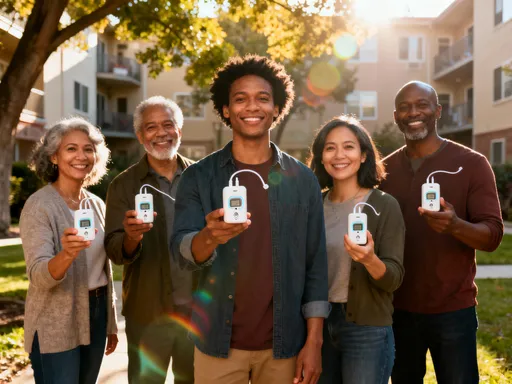
We settled on a compact, battery-powered sensor that could be mounted on the wall near the stove. It synced with a free app, and when it detected gas, it sent a push notification to the resident’s phone—and to two “buddy” contacts they chose. No Wi-Fi booster needed. No complicated setup. Just plug, pair, and protect. The cost? Under $50 per unit. We asked the building management if they’d cover part of it, and after seeing our proposal, they agreed to subsidize 50% for seniors and low-income residents.
Then came the installation. We didn’t want anyone feeling left behind, especially those who might struggle with technology. That’s when Mr. Jenkins, a retired electrician who lives downstairs, offered to help. He came door to door, setting up devices, showing people how to use the app, even writing simple instructions and taping them to the fridge. “Think of it like a smoke alarm with a voice,” he’d say. “If something’s wrong, it tells someone who can help.”
The key wasn’t perfection. It was participation. We didn’t need every unit to have it right away. We just needed enough people to start, so others could see it working, feel the difference, and want to join. And slowly, they did.
Building a Safety Network That Feels Like Family
The real magic didn’t come from the sensors. It came from what we built around them. We created a “safety buddy” system. Each person picked two neighbors they trusted—people who would get an alert if their detector went off. These buddies didn’t have to be family. They just had to be willing, available, and kind.
We started small. When Mrs. Lee’s alarm went off one afternoon, her phone buzzed, and so did mine and Carlos’s. We rushed to her door, hearts pounding, imagining the worst. But when she opened it, we were met with the smell of burnt toast—and her laughing, slightly embarrassed. “I fell asleep watching TV,” she said. “I forgot about my sandwich.” It wasn’t a gas leak. But in that moment, none of that mattered. What mattered was that she wasn’t alone. She didn’t have to panic. She knew someone would come.
That incident became a turning point. People started checking in more. “How’s your detector working?” became a normal conversation starter. We set up a group chat—not for gossip, but for care. “Heading out of town for a few days—can someone keep an eye on my alert?” or “My battery’s low—can you remind me to change it?” It wasn’t surveillance. It was support.
And the emotional shift was real. People smiled more in the hallways. Doors stayed open longer. We weren’t just neighbors anymore. We were a team. The technology didn’t create trust—it made it easier to act on it.
Independence, Not Isolation: Aging with Confidence
For many of our older residents, this system became about more than safety. It became about freedom. Mr. Gupta, a retired schoolteacher, told me he used to ask his daughter to call him every evening just to make sure he was okay. “Now I don’t need to,” he said. “I know if something happens, my neighbors will know. And that makes me feel… lighter.”
That word—lighter—stuck with me. So many seniors carry the weight of not wanting to be a burden. They downplay symptoms, skip doctor visits, avoid cooking, all to maintain independence. But true independence isn’t about doing everything alone. It’s about having the confidence to live fully, knowing you’re not alone if something goes wrong.
The gas detectors gave that back to them. No more second-guessing. No more fear of accidents. One woman, who’d stopped using her gas stove after her husband passed, started cooking again—her famous lentil soup returned to the building’s aroma rotation. “I missed the smell,” she said. “And I missed feeling like myself.”
This wasn’t just about preventing danger. It was about restoring joy, dignity, and the simple pleasure of living without fear. Technology didn’t give them youth back. But it gave them something just as valuable: peace of mind.
Beyond Gas: A Ripple Effect of Care
What started as a solution to one problem began to touch many others. After seeing how well the buddy system worked, we launched a fire safety check. Volunteers went door to door to test smoke alarms and share emergency numbers. We created a shared emergency kit on each floor—flashlights, first aid supplies, bottled water—managed by rotating neighbors.
Then came the community chat group. At first, it was just for alerts. But slowly, it became a place to share more. “Does anyone have a plunger?” “Can someone pick up my mail next week?” “I made extra rice—come get some!” It wasn’t just practical. It was warm. It was connection.
People started noticing each other in new ways. The young couple who used to rush in and out began saying hello. The teenager who once kept to his room now helps Mrs. Alvarez carry her groceries. We organized a monthly potluck—nothing fancy, just food and laughter. And during the winter storm last year, when the power went out for two days, we didn’t panic. We checked on each other. We shared blankets. We cooked on camp stoves. We were ready—not because of gadgets, but because we had learned to care, intentionally and consistently.
The gas detectors were the spark. But the flame was us. Technology didn’t fix our loneliness or our fears. It simply gave us a reason to reach out, to say, “I see you. I’ve got you.” And in that, we found something deeper than safety. We found belonging.
How You Can Start Something Similar in Your Community
You don’t need a crisis to begin. You just need care, a little courage, and a few neighbors who feel the same. If this story inspires you, here’s how you can start—right where you are.
First, find your moment. It could be a concern you’ve noticed—like someone living alone, a building with old wiring, or just a general sense that people don’t know each other. Talk to one or two people you trust. Share your worry. Ask, “Have you ever felt unsafe here? What would make you feel more secure?” Listen. You’ll be surprised how many people are thinking the same thing.
Next, organize a small gathering. A courtyard, a lobby, a park bench—anywhere people feel comfortable. Keep it simple. Bring tea or cookies. Start with stories, not solutions. Let people share their fears, their hopes, their small daily struggles. That’s where trust begins.
Then, explore tools that support your goal. For gas safety, look for smart detectors with app alerts and buddy notifications. Choose ones that are easy to install and don’t require monthly fees. Check local community grants or building management for funding help. Start with a few units—your own, a friend’s, a senior neighbor’s. Show it works. Let others see the value.
Build the human layer first. Assign safety buddies. Create a check-in system. Use a group chat or a shared calendar. Make it about care, not control. Celebrate small wins—“My detector worked!” “I helped my neighbor!” These moments build momentum.
And remember: you don’t need to solve everything at once. Start with one problem. One solution. One connection. Let it grow naturally. The goal isn’t a perfect system. It’s a stronger community.
What we’ve built isn’t just a safety network. It’s a reminder that technology, at its best, doesn’t replace human connection—it strengthens it. It gives us new ways to say, “I’m here for you.” In a world that often feels disconnected, that’s a powerful thing. And it starts with a single step: deciding to care, and choosing to act.
So ask yourself: Who in your building, your street, your complex, might be cooking with fear? What small step could you take today to help them feel safer? Because peace of mind isn’t just a personal luxury. It’s something we can build—together.